A Fresh Beginner's Guide to Blackjack
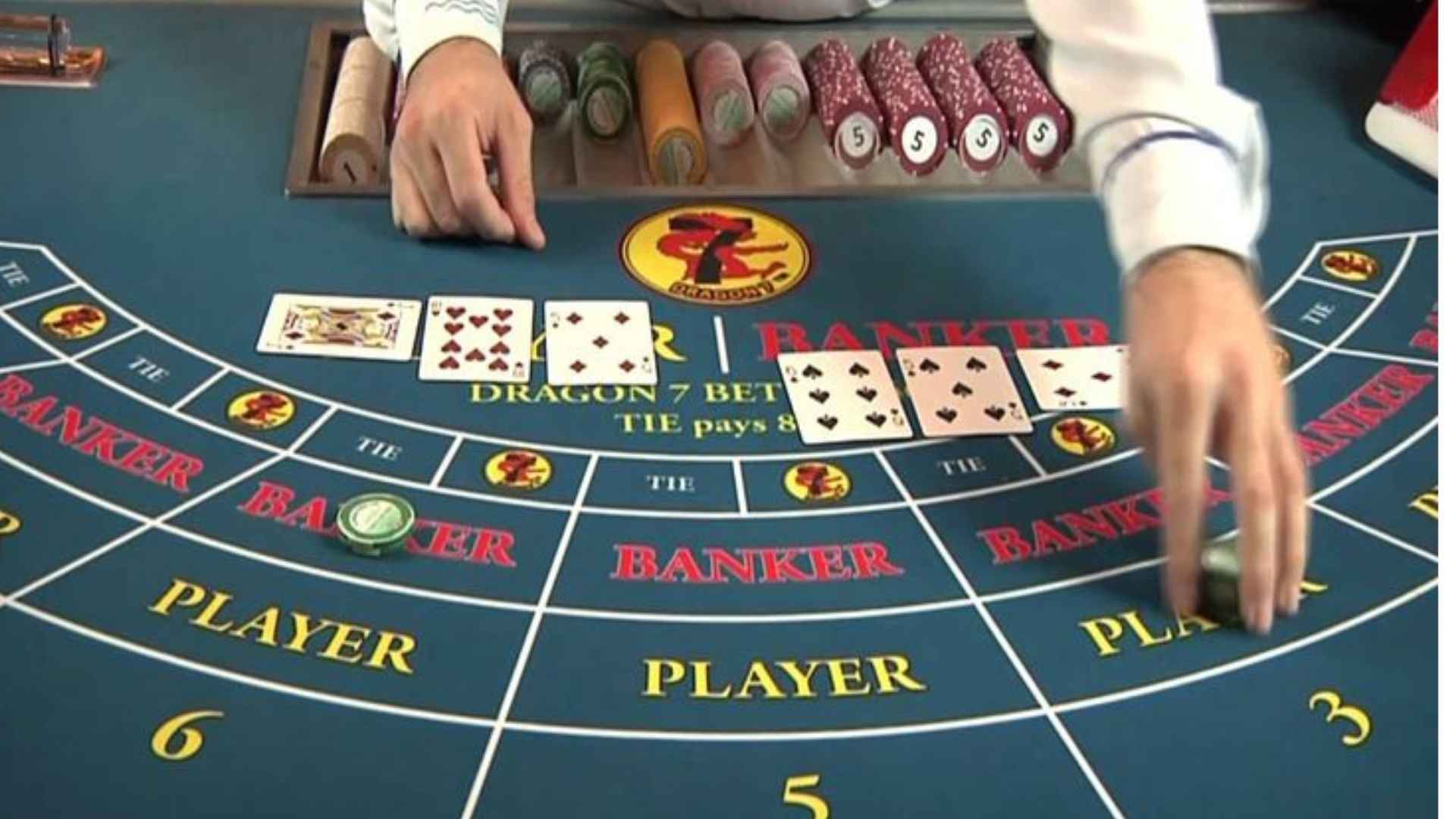
Stepping up to a blackjack table for the first time can feel both thrilling and intimidating for anyone new to the casino environment. Unlike many other card games that rely purely on luck, blackjack gives players a unique opportunity to influence the outcome through strategic decision-making. By mastering a few core fundamentals, you can confidently navigate your first session and significantly improve your overall experience.
Understanding the Ultimate Goal of the Game
Many beginners mistakenly believe that the primary objective of blackjack is simply to get as close to twenty-one as possible. In reality, your main goal is always to beat the dealer by either holding a higher total or letting the dealer bust. Recognizing this distinction completely shifts how you evaluate your cards during active gameplay.
Every card in the deck carries a fixed value, with numbered cards representing their face value and face cards counting as ten. The flexible Ace can be valued at either one or eleven, depending entirely on what benefits your current hand combination the most. Learning these basic values prepares you to make quick, accurate mathematical assessments when the cards are dealt.
The Core Decisions of Hitting and Standing
Once you receive your initial two cards, you must decide whether to hit or stand based on the dealer's visible upcard. Choosing to hit means requesting an additional card to increase your total, though you risk busting if you exceed twenty-one. Standing means you are satisfied with your current total and want to finish the round with those cards.
Statistical data shows that you should generally stand when your hand totals a hard seventeen or higher to minimize unnecessary risks. On the flip side, drawing another card is usually recommended if your initial total falls below eleven. Exploring reputable online platforms through a reliable login situs m88 allows new enthusiasts to practice these foundational moves in a stress-free setting.
When to Leverage Splitting and Doubling Down
To truly maximize your potential returns, you need to understand advanced options like splitting pairs and doubling down. Splitting allows you to divide a matching pair into two separate hands, effectively doubling your initial wager for that round. Experienced players always split a pair of Aces or eights because it turns a weak position into two strong opportunities.
Doubling down lets you double your bet in exchange for agreeing to take exactly one more card from the dealer. This aggressive move is highly profitable when your initial cards total ten or eleven and the dealer shows a weak upcard like a five or six. However, you should avoid doubling down when the dealer holds a strong upcard, as the statistical odds shift back to the house.
Essential Bankroll Management for Starters
No strategy can guarantee success without a disciplined approach to managing your personal gaming budget before you start. Smart beginners always establish a strict spending limit for each session and commit to walking away once that limit is reached. A solid rule of thumb is to keep your individual wagers limited to a small percentage of your total funds.
Emotional control is just as vital as understanding the mathematical rules of the card table. Chasing losses or letting frustration dictate your wagers often leads to rapid depletion of your bankroll. By combining basic card knowledge with steady budgeting, you ensure that your introduction to blackjack remains sustainable and highly entertaining.